





…Urges Evidence-Based Reporting
Nigeria’s merchandise trade rose to ₦41.4 trillion in the second quarter of 2026, underscoring the maritime sector’s growing significance to the economy, as the Nigerian Ports Authority (NPA) recorded a 24.8 per cent increase in cargo throughput in 2025 and urged journalists to embrace evidence-based reporting.
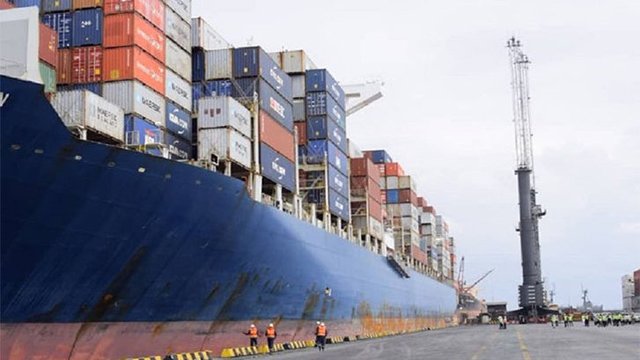
The NPA said cargo throughput across Nigerian ports increased from 103.6 million metric tonnes in 2024 to 129.3 million metric tonnes in 2025, reflecting rising cargo volumes and expanding port activities.
The Authority also recorded sustained growth in the first half of 2026, with cargo throughput rising 12.2 per cent to 68.2 million metric tonnes, up from 60.8 million metric tonnes in the corresponding period of 2025.
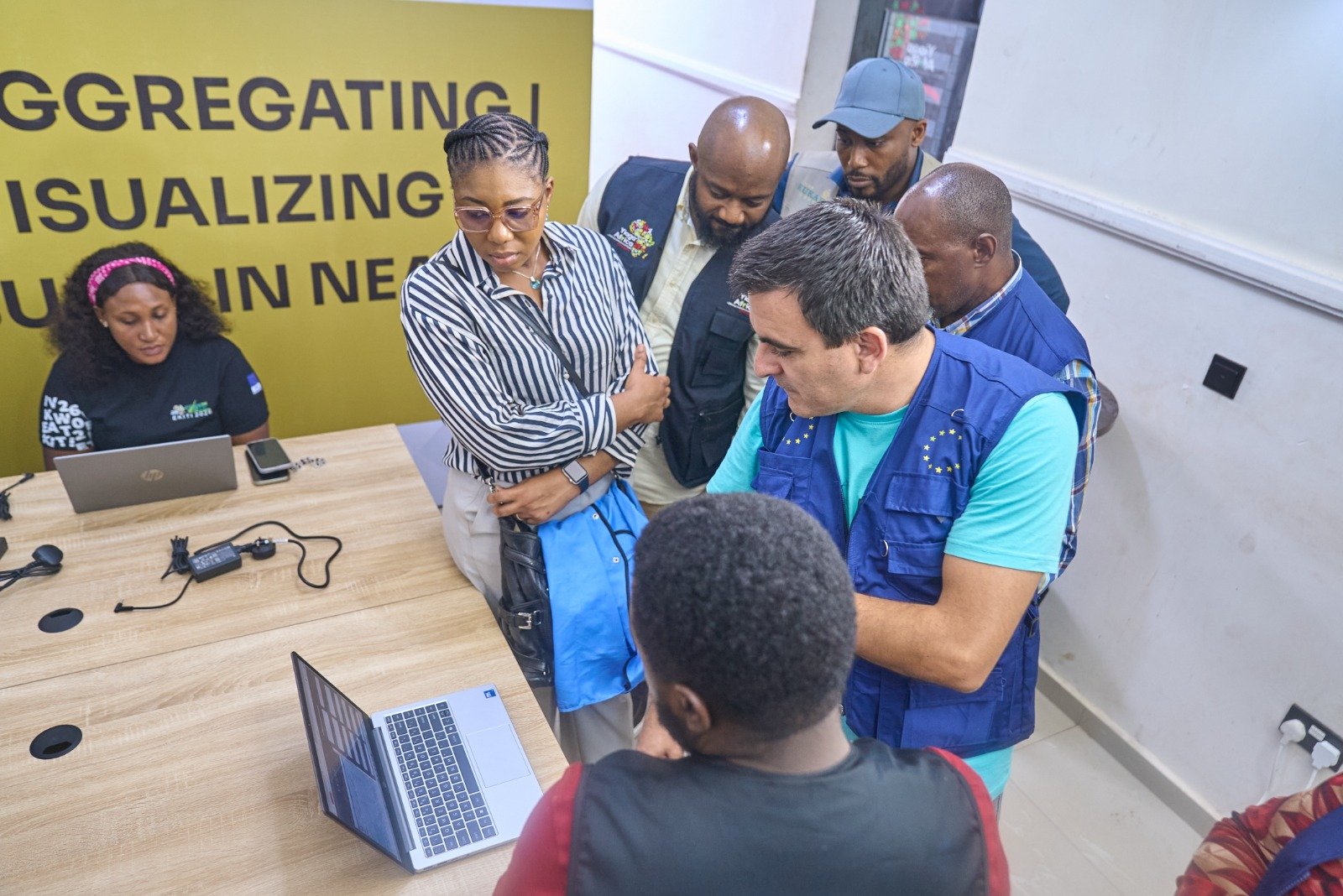
Speaking at a two-day Data-Driven Business and Maritime Reporting Training organised in partnership with the Premium Times Training Academy in Ikeja, Lagos, on Wednesday, the General Manager, Corporate Affairs Division, NPA, Mr Ikechukwu Onyemekara, said accurate maritime reporting was critical to trade, investment decisions and public understanding of the economy.
He said Nigeria’s merchandise trade value of ₦41.4 trillion in the second quarter of 2026, representing a 5.6 per cent increase over the corresponding period of 2025, demonstrated the scale of economic activity linked to the movement of cargo through the country’s ports.
According to him, ports’ efficiency has far-reaching implications for manufacturers, exporters, importers, consumers and investors, as delays and operational bottlenecks ultimately increase the cost of doing business and affect prices of goods.
Onyemekara said the country’s ports received 2,300 ships in the first half of 2026, compared with 2,152 vessels in the same period of 2025, while outward cargo accounted for 41.9 per cent of total throughput in the second quarter, indicating improved export activity.
He urged maritime journalists to look beyond headline figures and interrogate the factors driving growth, citing Lekki Deep Sea Port, which handled nearly 40 per cent of cargo throughput across Nigerian ports in the first half of 2026.
He said more than three-quarters of Lekki’s cargo traffic was linked to refinery operations, stressing that the breakdown of figures was necessary to understand how industrial investments were reshaping port activities and trade flows.
On the NPA’s reform efforts, Onyemekara said the Authority was pursuing port modernisation, digitalisation, export facilitation and sustainability initiatives to improve efficiency and competitiveness.
He disclosed that the Federal Government had secured £746 million in UK-backed financing to modernise Apapa and Tin Can Island ports, while rehabilitation works were ongoing at Onne, Warri and Calabar ports.
He also identified the National Single Window, Port Community System and Eto electronic truck call-up platform as key initiatives expected to streamline documentation, reduce delays and improve cargo movement.
The NPA spokesman urged journalists to verify claims, consult primary sources, compare figures across similar periods and give institutions the opportunity to respond before publication.
“We do not ask you for praise; we ask for accuracy. Where we fall short, report it. Where we make progress, report that too, with the same discipline,” he said.
He said credible, data-driven maritime journalism would strengthen accountability, inform public debate and improve confidence in Nigeria’s ports and trade environment.